
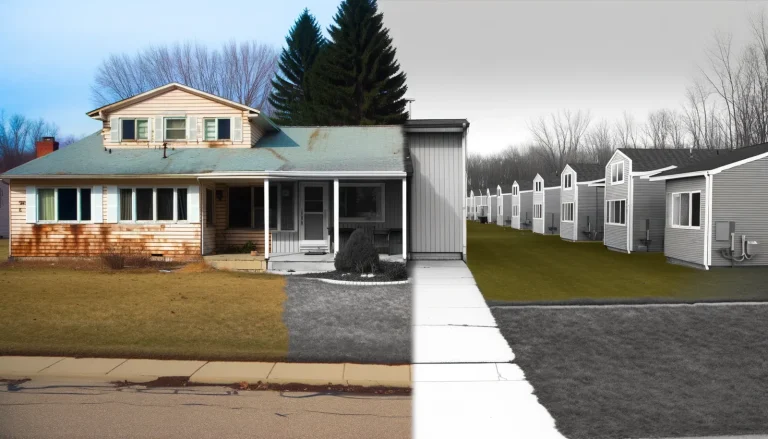
As the Baby Boomer generation enters retirement, many are faced with a pivotal decision: should they age in place, enjoying the familiarity and comfort of their current homes, or transition to a senior living community, where amenities and care are readily available? This choice is not just about location; it’s about lifestyle, health, and personal preferences. Below, we explore the pros and cons of each option to help you make an informed decision about your retirement living situation.
Aging in Place - Pros and Cons
Pros:
- Familiarity and Comfort: Aging in place allows seniors to remain in their homes, surrounded by memories and possessions that they cherish, offering a sense of continuity and emotional well-being.
- Community Connections: Staying at home means maintaining established relationships with neighbors, friends, and local community members, which can be vital for emotional support and social engagement.
- Independence: Living in one’s own home offers more control over daily routines and environments, allowing seniors to maintain their independence for as long as they’re able.
- Cost-Effectiveness: Depending on the home’s condition and the level of care needed, aging in place can be less expensive than moving to a senior living community, especially if the home is already paid off.
Cons:
- Home Maintenance: As homes age, they require ongoing maintenance and repairs, which can become physically and financially burdensome for seniors.
- Safety Concerns: Older homes may not be equipped with the safety features needed to accommodate aging adults, posing risks of falls or injuries.
- Isolation: Seniors aging in place may face social isolation, especially if they live far from family or if mobility issues make it difficult to leave the house.
- Caregiving Challenges: As health declines, the need for in-home care or assistance may arise, which can be expensive and difficult to manage over time.
Senior Living Community - Pros and Cons
Pros:
- Built-In Social Network: These communities offer a built-in social network of peers, facilitating friendships and social activities that can enhance quality of life and combat loneliness.
- Maintenance-Free Living: Senior living communities typically include maintenance and housekeeping services, allowing residents to live worry-free regarding home upkeep.
- Access to Care: Many communities offer graduated levels of care, from independent living to skilled nursing, ensuring residents have access to appropriate healthcare as their needs change.
- Amenities and Activities: From fitness centers to group outings, senior living communities provide various amenities and activities designed to keep residents engaged and active.
Cons:
- Cost: Senior living communities can be expensive, with costs varying widely depending on the type of community, location, and level of care required.
- Less Privacy: Living in a community setting means sharing common spaces with others and having less personal space than in a private home.
- Adjustment Period: Transitioning from a private home to a community setting can be challenging for some, requiring time to adjust to a new living environment and routine.
- Loss of Familiarity: Moving away from a long-term home means leaving behind neighbors, familiar settings, and possibly even cherished possessions that won’t fit in a smaller living space.
Deciding between aging in place and moving to a senior living community is deeply personal and depends on individual health, financial situation, and preference for community or solitude. For those who value independence and have a support system to manage home maintenance and healthcare needs, aging in place may be the right choice. However, for individuals seeking social engagement, ease of living, and accessible care, a senior living community could provide a fulfilling and active retirement. Ultimately, the best decision is one that aligns with your lifestyle preferences, care needs, and financial capabilities, ensuring your retirement years are spent in comfort and joy.
Below are some additional options to consider as a next step when your aging parents are ready to move on from their old house.
| Living Option | Pros | Cons |
|---|---|---|
| Aging in Place | - Familiarity and emotional stability - Independence - Potentially cost-effective | - Maintenance challenges - Risk of social isolation - Need for accessibility modifications |
| 55+ Communities | - Community of peers - Maintenance-free living - Amenities and activities | - Can be costly - Rules and regulations - Adjustment to community living |
| Downsizing/Moving | - Reduced maintenance and costs - Opportunity for a lifestyle change - Energy efficiency | - Emotional difficulty of leaving home - Costs associated with moving - Finding the right fit |
| Independent Living Communities | - Independence with amenities - Social opportunities - No home maintenance | - Monthly fees - Less personal space - Potential for future move as needs change |
| Assisted Living Facilities | - On-site healthcare and assistance - Safety and security features - Social engagement | - Higher cost - Less independence - Adjustment to living in a care facility |
| Continuing Care Retirement Communities (CCRCs) | - Full spectrum of care available - One location for different stages of care - Amenities and community | - High entrance fees and monthly costs - Contract complexities - Potential for limited personalization |
Aging in Place vs Senior Living – Discussion Guide
There are no right or wrong answers. Here’s a guide to help start the conversation with your elders to help determine what next step is right for them.
How important is it for you to maintain your current lifestyle as you age?
This question aims to understand their values regarding daily routines, hobbies, and social activities.Can you share your thoughts on the importance of independence in your daily life?
This probes their feelings about self-sufficiency versus receiving assistance with day-to-day tasks.How do you feel about the upkeep and maintenance of your current home?
This question assesses their willingness and ability to manage home maintenance or their desire to be free from these responsibilities.What are your thoughts on safety and accessibility in your home as you age?
This seeks to understand concerns they may have about navigating their home safely and any modifications they might consider necessary.How do you envision your social life in the coming years?
This question gauges the importance of existing social connections and the desire to make new ones.What is your perspective on having immediate access to healthcare or assistance?
This evaluates the priority they place on healthcare accessibility as they age.How do you feel about the potential of moving closer to family or friends versus staying in your current community?
This asks them to consider the value of proximity to loved ones compared to the familiarity of their current community.Are there any particular amenities or services that you think would enhance your quality of life as you age?
This helps identify specific features or services they find appealing, which could be offered by retirement communities.How do you view the financial implications of staying in your home versus moving to a retirement community?
This delves into their understanding and concerns about the financial impact of each option.What are your biggest fears or concerns about aging, and how do you think your living situation can address these concerns?
This opens up a conversation about their anxieties related to aging and how their environment can mitigate these fears.





